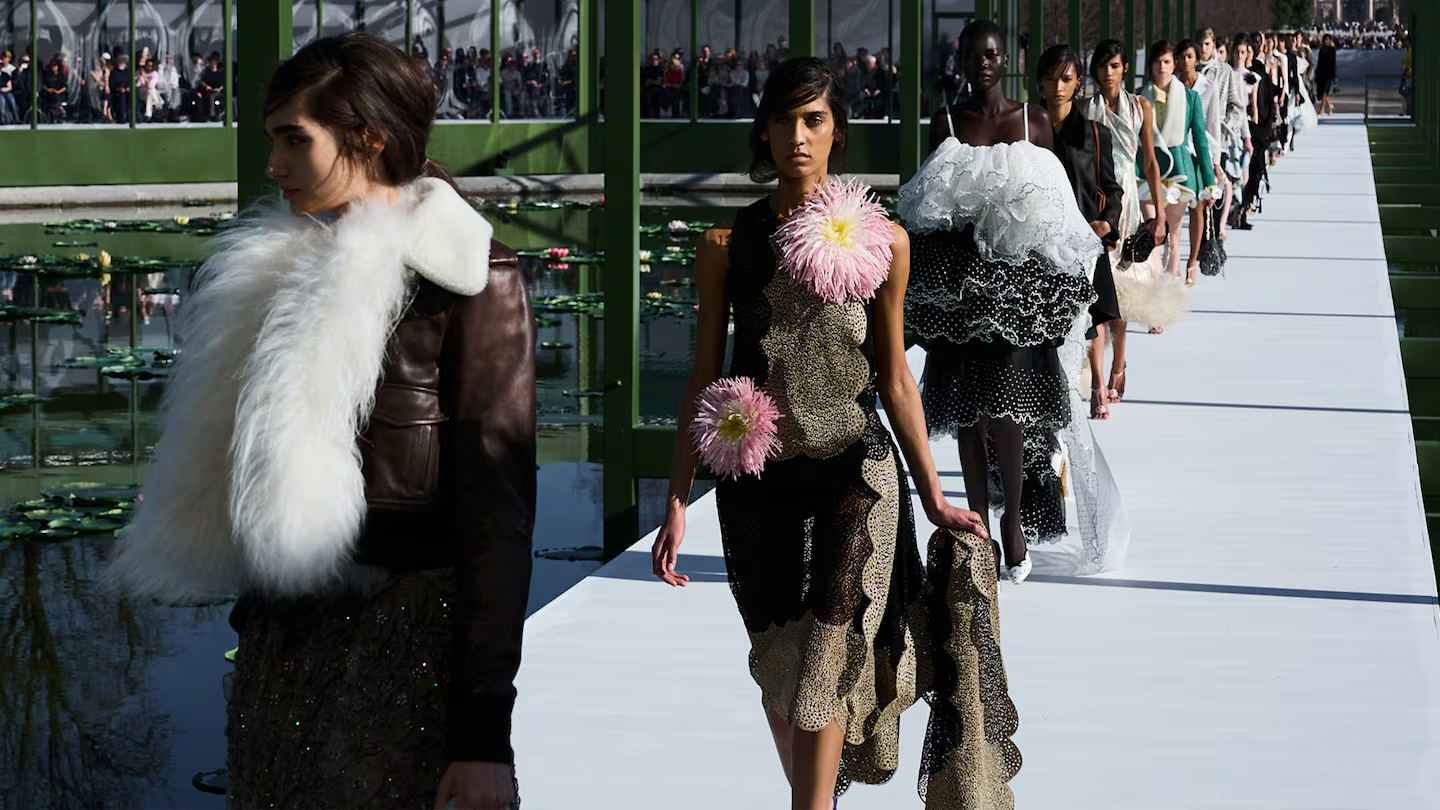
I remember the first time I splurged on a luxury handbag. It was a crisp autumn day in Lahore, and I’d saved up for months to get my hands on a classic piece from a big-name brand. Walking out of the store, I felt invincible—like I’d unlocked some secret level of sophistication. But fast forward to today, and that thrill feels a bit faded. With prices skyrocketing and designs blending into one another, I’ve started wondering if the giants of luxury fashion can recapture that magic. Can they reinvent themselves in a world that’s demanding more than just logos and legacy? That’s the question buzzing in the industry right now, especially as we navigate economic shifts and changing tastes in 2026.
The luxury sector has hit a rough patch after years of booming growth. Sales dipped globally in 2025, and brands are scrambling to find fresh appeal. From creative shake-ups to sustainability pushes, the path forward is anything but straightforward. Yet, there’s hope in the air—new silhouettes on the runways, bolder marketing, and a focus on what consumers really crave. Let’s dive into whether big luxury can truly find its new look.
What Is Big Luxury Today?
Big luxury refers to the powerhouse conglomerates dominating the high-end fashion world, like LVMH and Kering, which own icons such as Louis Vuitton, Gucci, and Dior. These aren’t just brands; they’re empires built on heritage, exclusivity, and sky-high prices. But in 2026, they’re facing a reality check—consumers want more than prestige; they want purpose and personality.
These groups control over 75% of the global luxury market, churning out everything from handbags to haute couture. Yet, with sales growth slowing to low single digits, the pressure is on to evolve without losing that elite edge.
The Giants of the Industry
LVMH, the behemoth led by Bernard Arnault, owns 75 brands and reported revenues down 4% in the first half of 2025. Kering, home to Gucci and Balenciaga, saw even steeper declines. Richemont rounds out the top three, focusing on watches and jewelry but dipping into fashion with brands like Chloé.
These titans have relied on price hikes and expansion into emerging markets, but backlash is growing. Shoppers are questioning if a $5,000 bag is worth it when quality scandals surface.
The Current Challenges Facing Luxury Brands
The luxury slowdown isn’t just a blip—it’s a reckoning. After a post-COVID boom, sales fell 1-2% globally in 2025, with China, once a growth engine, now flatlining. Brands like Dior and Gucci are hit hard, as aspirational buyers pull back amid economic uncertainty.
Inflation, geopolitical tensions, and shifting consumer priorities are culprits. People are trading logo-heavy items for experiences or sustainable alternatives. It’s like the industry partied too hard and woke up with a hangover.
- Economic Pressures: Rising costs and tariffs squeeze margins, forcing brands to rethink pricing without alienating loyal customers.
- Consumer Fatigue: Years of overpricing and homogenization have led to “price fatigue,” where even the wealthy seek better value.
- Sustainability Scrutiny: Scandals over labor and environmental practices erode trust—think outsourcing exposes that tarnish reputations.
- Gen Z Disconnect: Younger shoppers question luxury’s relevance, preferring brands that align with their values like inclusivity and ethics.
| Brand | 2024 Sales Growth | 2025 Sales Growth | Key Challenge |
|---|---|---|---|
| LVMH | +10% | -4% | Slowing in Asia |
| Kering | +15% | -17% | Gucci’s identity crisis |
| Richemont | +8% | Flat | Watch market saturation |
Pros of facing these challenges: Forces innovation, like Gucci’s pivot to bolder designs. Cons: Risk of alienating core customers if changes are too drastic.
The Wave of Creative Director Changes
2025 was the year of the great reshuffle—nine of the top 15 luxury brands swapped creative directors, hoping fresh eyes would spark revival. Think Matthieu Blazy at Chanel or Jonathan Anderson at Dior. It’s a high-stakes gamble to inject novelty without erasing heritage.
These changes aim to redefine silhouettes, moving from safe, quiet luxury to something sexier and more statement-making. But success isn’t guaranteed; past revamps like John Galliano at Dior took time to pay off.
Why the Shuffle?
Brands are chasing excitement after years of stagnant creativity. New directors bring buzz, but they must balance innovation with brand DNA. For instance, Anderson’s Dior debut emphasized empowerment through sporty elegance.
Pros: Revitalizes collections, attracts younger demographics. Cons: Disruptive—fans of the old guard might flee, as seen with some Gucci loyalists post-Alessandro Michele.
From Quiet to Loud Luxury: A Shift in Style
Quiet luxury—the understated elegance of cashmere sweaters and minimal logos—dominated post-pandemic. But 2026 signals a return to “loud luxury”: bold logos, vibrant colors, and distinctive designs. Analysts predict this revival as brands like Gucci and Versace appoint directors to amp up the drama.
It’s a response to consumer boredom. Sex sells, but what does sexy mean now? Not overt nudity, but confident, voyeuristic flair that stands out in a crowded market.
Quiet vs. Loud: A Comparison
Quiet luxury whispers wealth through quality fabrics and timeless cuts. Loud luxury shouts it with logos and patterns. The shift could reignite demand, but risks alienating those who prefer subtlety.
- Quiet Pros: Timeless, versatile. Cons: Blends in, feels safe.
- Loud Pros: Exciting, recognizable. Cons: Trendy, can date quickly.
For the best of both, look to brands like Bottega Veneta, blending heritage with bold weaves. More on loud luxury revival
Embracing Sustainability and Ethics
Luxury can’t ignore the planet anymore. With Gen Z demanding transparency, brands are pivoting to eco-friendly materials and ethical sourcing. Hermès leads with repair services, extending product life.
But challenges remain—fast fashion’s shadow looms, and scandals like labor abuses hurt. Reinvention means integrating sustainability into core values, not just marketing.
- Bullet-proof ways brands adapt: Using recycled fabrics (Stella McCartney), blockchain for traceability (Louis Vuitton), and circular models like resale platforms.
- Where to get sustainable luxury: Sites like Vestiaire Collective for pre-loved items, or direct from brands’ eco-lines.
Pros: Builds loyalty with conscious consumers. Cons: Higher costs could push prices up further.
Targeting Gen Z and Millennials
These generations will drive 25% of luxury spending by 2030, but they’re picky. They want brands that reflect values—diversity, sustainability, and digital savvy. Legacy houses struggle here, often seen as stuffy.
Reinvention tip: Collaborate with influencers or drop limited editions. Gucci’s gaming forays or Dior’s TikTok campaigns show promise.
Best Tools for Engaging Younger Buyers
Apps like Depop for resale, or AR try-ons from Farfetch. Navigational: Shop at Selfridges for curated Gen Z picks.
Digital Transformation and Experiences
Luxury is going phygital—blending online with in-person magic. AI personalization and virtual showrooms are key. Brands like Burberry use NFTs for exclusivity.
But the real win? Experiences over products. Think VIP events or bespoke customization. It’s how big luxury can stand out.
Transactional: Best VR tools—Gucci’s metaverse app for virtual try-ons.
Case Studies: Successful Reinventions
Gucci under Sabato De Sarno toned down eccentricity for sleek sensuality, boosting appeal. Dior’s Anderson debut mixed athleticism with femininity, signaling a fresh era.
Balenciaga’s Demna pivoted to archival glamour, but mixed results show reinvention’s risks. Lessons: Stay true to roots while pushing boundaries.
The Future Outlook for Big Luxury
By 2030, the market could hit $360 billion, but only if brands adapt. Focus on creativity, client trust, and innovation. With AI reshaping shopping and resale sprinting ahead, the winners will be those who recalibrate smartly.
I once thought luxury was eternal, but now I see it’s evolving. If big brands listen, they might just find that new look we’ve all been waiting for.
People Also Ask
What is luxury in fashion today?
Luxury today goes beyond price—it’s about craftsmanship, storytelling, and emotional connection. Brands like Hermès emphasize timeless quality over trends.
Why are smaller brands winning over big luxury?
Smaller brands offer authenticity and niche appeal, attracting consumers tired of homogenization. They’re agile, sustainable, and often more affordable.
How are luxury brands adapting to Gen Z?
By embracing digital, sustainability, and inclusivity. Collaborations and social media campaigns help connect with values-driven younger shoppers.
What does the return of loud luxury mean?
It signals a shift to bold, recognizable designs to combat quiet luxury’s sameness. Think logos and colors making a comeback for excitement.
FAQ
How can big luxury brands reinvent their image?
By appointing innovative directors and focusing on unique silhouettes, as seen in recent changes at Dior and Gucci. Balance heritage with modernity.
What are the biggest risks in luxury reinvention?
Alienating loyal customers or failing to deliver on hype, leading to sales dips. Successful ones like Chanel maintain consistency amid change.
Where can I find affordable luxury alternatives?
Platforms like The RealReal for pre-owned, or emerging brands via Net-a-Porter. Focus on quality over logos.
Is sustainability key to luxury’s future?
Absolutely—consumers demand it. Brands investing in ethical practices, like Bottega Veneta’s recycled leathers, will thrive.
Best way to shop luxury in 2026?
Use apps for personalized recommendations and AR try-ons. Visit flagships for experiences, or online for convenience.
(Word count: 2785)