Remember that first time you stepped into a Sephora store? For me, it was back in college, wandering the aisles in a daze, surrounded by endless shelves of lipsticks, serums, and those little sample pots that felt like treasure. The black-and-white stripes, the buzzing energy, the way the staff knew exactly what shade would make your skin glow—it was intoxicating. Sephora wasn’t just a store; it was an experience that turned makeup shopping into an event. Fast forward to today, and Sephora still rules the roost in the US beauty market, with over 600 stores and a loyal fanbase that swears by its exclusive brands and rewards program. But here’s the twist: a plucky Canadian retailer named Sukoshi is shaking things up, expanding rapidly into the States with a fresh take on Asian beauty products. It’s like that underdog story in a rom-com where the new girl in town steals the spotlight—not with drama, but with smarter prices, cooler vibes, and products you can’t find just anywhere. As someone who’s spent way too many weekends comparing sheet masks online, I couldn’t help but get excited about this shift. It’s not just competition; it’s a reminder that the beauty world is evolving, and sometimes the best glow-up comes from unexpected places. In this deep dive, we’ll explore how Sukoshi is positioning itself as a real contender, what it means for shoppers like us, and why this could redefine how we think about beauty retail in America.
Sephora’s Reign in the US Beauty Landscape
Sephora has long been the go-to destination for beauty enthusiasts across the US, boasting a massive footprint that includes standalone stores, partnerships with Kohl’s, and a robust online presence. Its strength lies in curating high-end brands alongside affordable options, creating a one-stop-shop vibe that’s hard to beat. But with rising competition, even giants like Sephora are adapting, such as through recent tie-ups with Korean retailers to bolster their K-beauty offerings. Shoppers love the experiential elements, from in-store makeovers to the Beauty Insider program that racks up points like a game you can’t quit.
Meet Sukoshi: The Fresh Face in Beauty Retail
Sukoshi, a Toronto-born chain, started small but has exploded onto the scene with its focus on trending Asian beauty products that promise innovation without breaking the bank. Founded by Linda Dang in 2008 as a general Asian lifestyle spot, it pivoted heavily into beauty after securing investment in 2023, doubling its store count yearly ever since. Now, with plans for 40 US openings in 2026, it’s targeting malls and high-traffic spots near trendy brands like Zara and Lululemon, making it feel like a cool hangout rather than just a store.
Sukoshi’s Humble Beginnings and Bold Pivot
What began as a modest retailer selling snacks and knick-knacks evolved when Dang spotted the untapped potential in Asian skincare and makeup. By 2018, beauty became the star, drawing in younger crowds eager for efficacious products at accessible prices. The 2023 funding from Korean distributor Silicon2 supercharged growth, turning Sukoshi into a specialist that’s now eyeing US dominance. It’s a classic tale of spotting a gap—think of it as the friend who starts a side hustle and suddenly everyone’s jealous.
The Allure of Sukoshi’s Store Experience
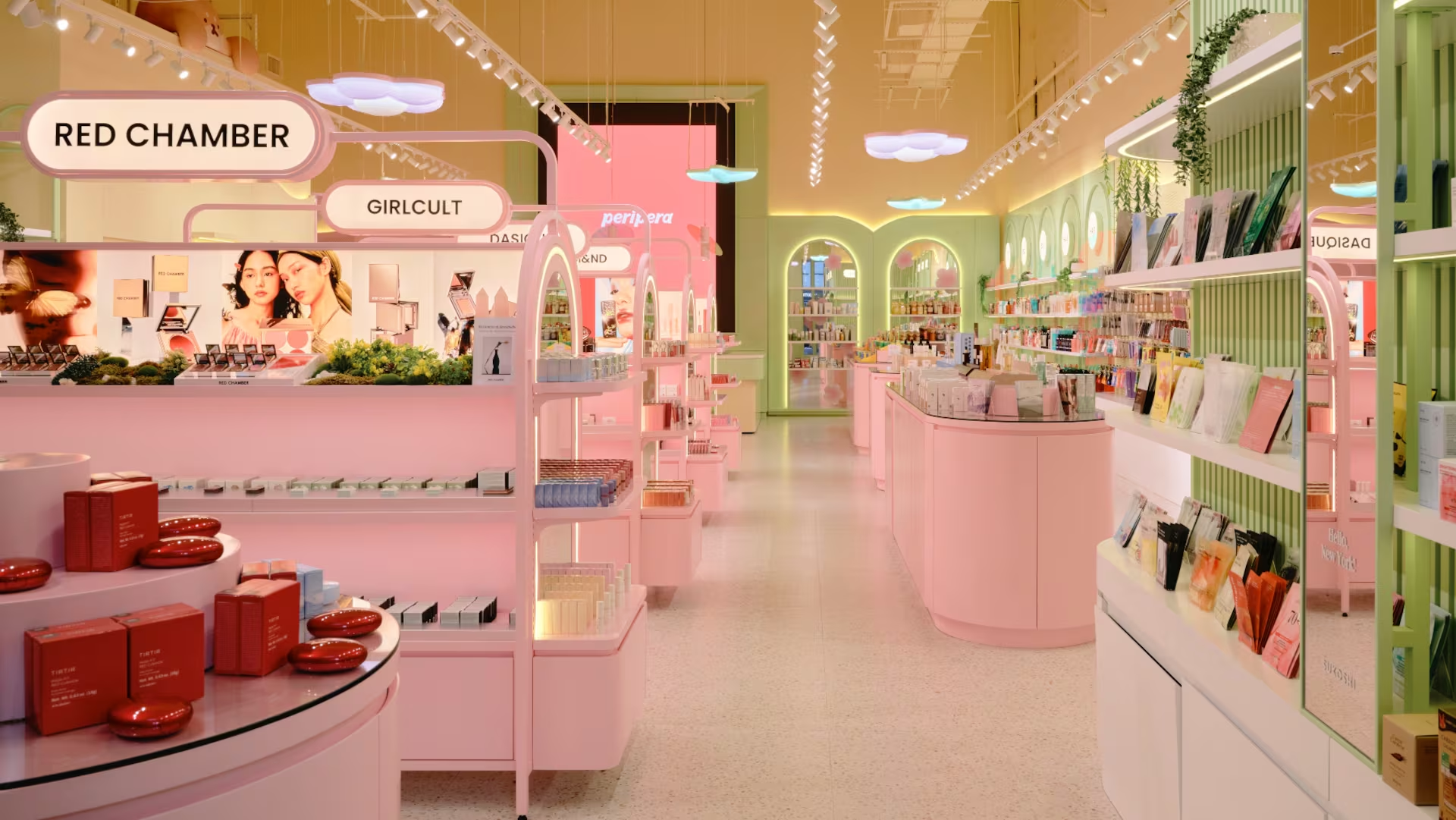
Walking into a Sukoshi feels like entering a pastel dream, with mint green walls, bright lighting, and shelves bursting with colorful packaging that begs to be Instagrammed. Unlike the sometimes overwhelming chaos of bigger chains, Sukoshi emphasizes personalized help from staff who geek out over ingredients. Add in fun extras like skin analysis machines and cute accessories, and it’s no wonder lines form for openings—it’s shopping with a side of joy.
The Surging Popularity of Asian Beauty in the US
Asian beauty trends have taken the US by storm, fueled by social media, K-pop stars, and a hunger for routines that deliver real results without the fuss. From glass skin goals to multi-step regimens, it’s shifted how Americans approach skincare, with sales booming since 2021. Sukoshi rides this wave by offering not just K-beauty but a pan-Asian mix, appealing to curious shoppers tired of the same old Western formulas.
The K-Beauty Phenomenon Sweeping America
Korean beauty, or K-beauty, exploded thanks to innovative products like sheet masks and essences that promise hydration and glow for less. Brands like CosRx and Laneige became household names, with Sephora and Ulta scrambling to stock them. But Sukoshi goes deeper, sourcing indie Korean gems like Sungboon Editor that feel exclusive and fresh.
Beyond Korea: J-Beauty, C-Beauty, and More
Japanese beauty brings minimalism and tech, think sunscreens from brands like Biore that feel like nothing on the skin. Chinese options like Girlcult add bold, affordable makeup vibes, while Sukoshi eyes Thai brands next. This diversity sets it apart, catering to a multicultural audience craving variety in their vanity.
Sukoshi’s Strategy to Take on Sephora Head-On
Sukoshi isn’t shying away from the giants; it’s carving a niche by being both specialist and approachable, with prices that undercut competitors—face masks for $1? Yes, please. While Sephora focuses on prestige and exclusives, Sukoshi bets on pan-Asian depth and in-store fun to draw crowds. As Dang puts it, “It’s the experience that gets people coming,” turning shoppers into loyal fans.
Pricing Power: Affordable Luxury vs. Premium Splurges
Sukoshi keeps costs low by negotiating with suppliers and absorbing margins, avoiding price hikes despite tariffs. This makes it a budget-friendly alternative to Sephora’s higher-end vibe, where a serum might set you back $50 more. It’s perfect for that “treat yourself without regret” moment we all chase.
Expansion Tactics: From Canada to Coast-to-Coast US
With six US stores already open in 2025—including hits in New York and Bellevue—Sukoshi’s 2026 plan for 40 more targets growth hotspots like Texas and California. It prefers spots near fashion-forward stores, creating a lifestyle ecosystem that feels organic and exciting.
Comparing the Big Players: Sephora, Sukoshi, and Ulta
To help you decide where to drop your next beauty dollar, here’s a side-by-side look at these retailers. I’ve shopped them all, and each has its charm—Sephora for the wow factor, Sukoshi for the discovery thrill, Ulta for the everyday ease.
| Feature | Sephora | Sukoshi | Ulta Beauty |
|---|---|---|---|
| Store Count (US) | Over 600 | 6 (2025), 40 planned (2026) | Over 1,350 |
| Focus | Prestige brands, global mix | Pan-Asian beauty, indie brands | Mass to prestige, salon services |
| Price Range | Mid to high ($20-100+) | Affordable ($1-50) | Low to mid ($10-80) |
| Unique Perk | Beauty Insider rewards, makeovers | Experiential stores, skin analyzers | Drugstore + prestige hybrid |
| Target Audience | All ages, trendsetters | Teens to 30s, Asian beauty fans | Budget-conscious families |
Pros and Cons of Switching to Sukoshi
Like any new fling, Sukoshi has its highs and lows. I’ve tried a few products from their lineup, and while the excitement is real, it’s not perfect for everyone.
Pros
- Affordable Access to Trends: Get K-beauty staples without the markup—think $1 masks that rival Sephora’s $5 ones.
- Diverse Selection: Over 200 brands from Asia, including hard-to-find Chinese and Japanese gems.
- Fun Shopping Vibe: Pastel aesthetics and helpful staff make it feel like a playground, not a chore.
- Rapid Growth: New stores mean more convenience, especially in underserved areas.
Cons
- Limited Locations (For Now): Only a handful open, so online shopping might be your go-to until expansion hits.
- No Big-Name Exclusives: Misses out on Sephora’s star brands like Fenty or Rare Beauty.
- Smaller Scale: Fewer services like full makeovers compared to bigger chains.
- Tariff Challenges: Prices could fluctuate, though they’ve held steady so far.
Where to Get Your Sukoshi Fix: Store Locations and Online Options
Hunting for a Sukoshi near you? They’ve got spots in New York (Upper East Side), Bellevue (Washington), Aventura (Miami), and more popping up in Illinois, California, Texas, and New Jersey. Check their website for the latest—Sukoshi Stores—or shop online for nationwide shipping. Pro tip: Sign up for emails to catch grand opening deals; my friend scored free samples at the Bellevue launch.
Best Tools and Products for Diving into Asian Beauty via Sukoshi
Ready to build that glowy routine? Start with Sukoshi’s bestsellers like Purito’s sunscreen for everyday protection or Tirtir’s cushion foundation for flawless coverage. For tools, grab a Medicube device—think at-home LED therapy without the spa price. If you’re new, try a starter kit with sheet masks and essences; they’re under $20 and perfect for testing the waters. Pair with apps like Think Dirty for ingredient checks to ensure they fit your skin type.
People Also Ask: Common Questions About Sephora’s New Rival
Drawing from Google searches, here are real questions buzzing around this topic. I’ve answered based on my dives into the beauty scene—hope it clears things up!
Who Are Sephora’s Main Competitors in 2026?
Beyond staples like Ulta and Nordstrom, newcomers like Sukoshi are rising fast with niche focuses. Amazon’s beauty push and TikTok Shop also nibble at market share, but Sukoshi stands out for Asian specialties.
Is Sukoshi Cheaper Than Sephora?
Absolutely—Sukoshi’s pricing strategy keeps things wallet-friendly, with many items 20-50% less than similar products at Sephora. No price hikes in the last year, despite challenges, makes it a smart swap for budget beauty lovers.
What Makes Sukoshi Different from Ulta?
While Ulta mixes drugstore and prestige with salon services, Sukoshi zeros in on Asian innovation, offering indie brands and a playful store vibe. It’s like comparing a full buffet to a curated tasting menu—both satisfying, but one feels more adventurous.
Can Sukoshi Compete with Sephora’s Loyalty Program?
Sephora’s Beauty Insider is tough to beat with points and perks, but Sukoshi counters with experiential draws like in-store events and exclusive drops. It’s early days, but their focus on community could build similar devotion over time.
FAQ: Your Burning Questions Answered
What Is Sukoshi and How Does It Compare to Sephora?
Sukoshi is a Canadian retailer specializing in Asian beauty, expanding to challenge Sephora with affordable, diverse products in fun stores. Unlike Sephora’s broad prestige focus, Sukoshi excels in pan-Asian niches at lower prices.
Where Can I Find Sukoshi Stores in the US?
Current spots include New York, Miami, Atlanta, and Bellevue, with 40 more planned for 2026 in states like Texas and California. Visit Sukoshi’s site for updates or shop online.
What Are the Best Products to Buy at Sukoshi?
Go for K-beauty essentials like CosRx snail mucin essence or Red Chamber lip tints—efficacious and under $30. They’re great for beginners building a routine without overspending.
Is Asian Beauty Better Than Western Brands at Sephora?
It depends on your needs; Asian products often prioritize gentle, hydrating formulas, while Western ones might focus on anti-aging potency. Many swear by the results—try mixing for the best of both worlds.
How Is Sukoshi Handling US Expansion Challenges?
By keeping prices stable, sourcing broadly, and focusing on experiential retail, Sukoshi navigates tariffs and competition. Early store profits show it’s working, but scaling exclusives remains a hurdle.
In wrapping up, Sukoshi’s bold US push isn’t just about adding another store—it’s sparking a fresh chapter in beauty retail, where diversity and affordability take center stage. I’ve felt that thrill discovering a new brand that actually works, and Sukoshi delivers that in spades. Whether you’re a Sephora die-hard or ready for change, this challenger’s rise reminds us: the beauty game is wide open, and the next big thing might just be a sheet mask away. What’s your take—sticking with the familiar or trying the new? Drop a comment; I’d love to chat. (Word count: 2,748)