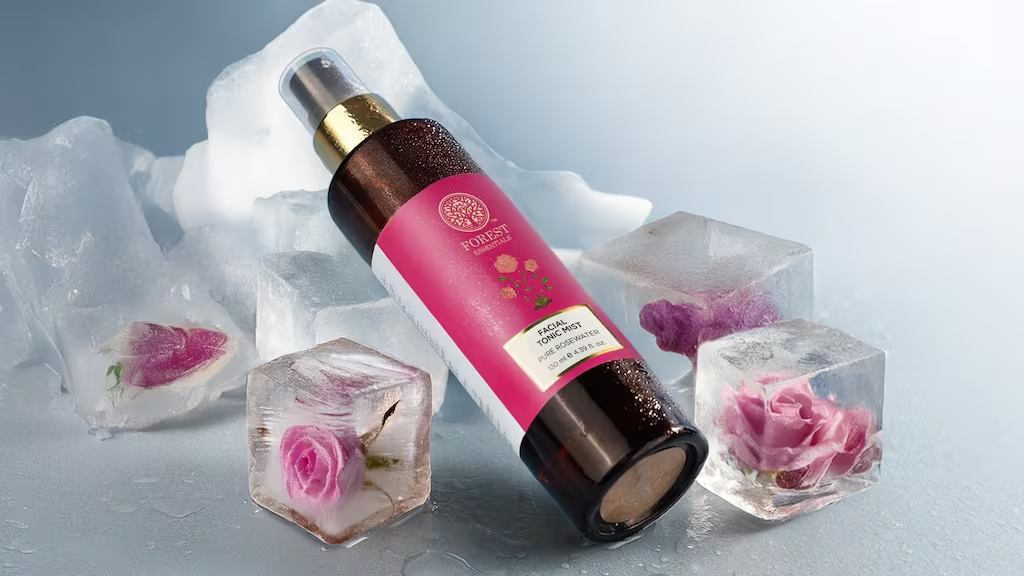
Picture this: I’m wandering through a bustling market in Delhi during a trip a few years back, the air thick with spices and jasmine. I stumble upon a little shop selling these luxurious creams and oils that promised to blend ancient wisdom with modern glow. That was my first brush with Forest Essentials, and let me tell you, their rose-infused toner felt like a hug from Mother Nature herself. Fast forward to today, and that charming Indian brand is making headlines as Estée Lauder swoops in for a full takeover. It’s the kind of move that has the beauty world buzzing—equal parts exciting and unexpected. In this deep dive, we’ll unpack why this deal matters, how it fits into the bigger picture, and what it means for your skincare routine.
The Big Announcement: What Just Happened?
Estée Lauder Companies, the powerhouse behind icons like Clinique and MAC, has signed on to snag the remaining shares of Forest Essentials, an Indian Ayurvedic beauty gem. This isn’t a cold-call buyout; they’ve been partners since 2008, with Lauder bumping up their stake to 49% in 2020. Now, they’re going all in, with the deal set to wrap up in the latter half of 2026, pending the usual regulatory nods. It’s like finally popping the question after a long engagement—romantic, strategic, and a bit overdue.
A Quick Look at Forest Essentials
Founded in 2000 by Mira Kulkarni, Forest Essentials draws from Ayurveda, that ancient Indian system of holistic health. Think luxurious creams, oils, and scrubs made with natural ingredients like saffron and sandalwood. They’ve grown to nearly 200 stores in India, pulling in about $63 million in revenue last year while staying profitable. It’s not just products; it’s a vibe—elegant packaging meets time-tested rituals.
Estée Lauder’s Long Courtship
This romance started with a minority investment back in 2008, giving Lauder a foot in India’s door. By 2020, they owned almost half, testing the waters before diving in. Under new CEO Stéphane de La Faverie, this marks the first big acquisition, signaling a shift toward emerging markets like India, where prestige beauty is booming. No more tiptoeing; it’s full commitment time.
Why This Feels Like a Plot Twist
In a world where beauty giants chase flashy Western labels, snapping up a niche Ayurvedic brand from New Delhi raises eyebrows. Estée Lauder has been chatting up M&A possibilities, but folks expected them to offload underperformers first—not add to the family. Plus, their track record includes big swings like the $2.8 billion Tom Ford grab in 2022, which was all glamour and headlines. This one’s quieter, more calculated, like picking a sleeper hit over a blockbuster. And honestly, who saw Ayurveda meeting Manhattan coming? It’s delightfully unexpected.
The Element of Surprise in Beauty Deals
Beauty acquisitions often chase viral trends or celeb-backed lines. Remember when Lauder scooped up Too Faced for $1.45 billion in 2016? That was all about millennial makeup mania. Forest Essentials, though profitable, flies under the global radar—no bidding wars here. Experts call it a “safe” bet, but in a market craving authenticity, it’s sneaky smart. Surprise? More like a clever curveball.
How It Stacks Up Against Past Moves
Compare this to the Tom Ford deal: That was a luxury fashion powerhouse with eyewear and apparel tie-ins, valued at billions for its star power. Forest Essentials is smaller, focused on skincare with Indian roots, and comes via a phased buy-in to minimize risk. Tom Ford boosted Lauder’s fragrance game; this one diversifies into wellness trends like Ayurveda. One’s a red-carpet staple, the other’s a spa-day secret.
Strategic Plays: Why Now, Why This?
Estée Lauder isn’t just collecting brands; they’re eyeing India’s exploding beauty scene. With a young population, rising incomes, and a love for premium products, India’s prestige market is gold. This deal makes India Lauder’s top emerging hub, blending local heritage with global muscle. It’s like adding a spicy chai to their coffee lineup—fresh, flavorful, and full of potential.
Tapping into India’s Beauty Boom
India’s beauty market is projected to hit $30 billion by 2027, with luxury segments growing fastest. Forest Essentials, with its ayurvedic edge, taps into global wellness trends. Lauder gets instant access to 200 stores and a loyal base, plus R&D perks from Forest’s integrated ops. No starting from scratch—just scaling up.
Diversifying the Portfolio
Lauder’s lineup is heavy on Western skincare and makeup. Ayurveda brings something new: holistic, natural vibes that appeal to eco-conscious shoppers. It’s a hedge against slumps in China or the US, where sales have dipped. Plus, with sustainability baked in, it aligns with modern demands. Smart diversification, folks.
A Closer Look: Pros and Cons of the Deal
Every acquisition has its ups and downs. Here’s a balanced view to chew on.
Pros of the Acquisition
- Market Expansion: Instant foothold in India, the fastest-growing beauty market, with potential for global export of ayurvedic products.
- Low-Risk Entry: Phased investment means Lauder knows the brand inside out, reducing integration headaches.
- Trend Alignment: Ayurveda fits the wellness boom, attracting health-focused consumers worldwide.
- Revenue Boost: Forest’s profitability and double-digit growth add immediate value without heavy lifting.
Cons of the Acquisition
- Integration Challenges: Past buys like Becca showed blending cultures can be tricky; could Forest lose its indie charm?
- Market Saturation: India’s beauty space is crowded with locals like Nykaa—competition could squeeze margins.
- Global Scaling Risks: While promising, exporting ayurvedic authenticity might face regulatory or consumer hurdles abroad.
- Valuation Questions: Undisclosed terms leave room for overpay worries, especially post-Tom Ford’s big price tag.
Comparing Key Acquisitions: Tom Ford vs. Forest Essentials
Estée Lauder’s deal history shows a mix of bold and measured moves. Let’s break down two standouts in a handy table for clarity.
| Aspect | Tom Ford Acquisition (2022) | Forest Essentials Acquisition (2026) |
|---|---|---|
| Deal Value | $2.8 billion | Undisclosed (phased, post-minority stake) |
| Brand Focus | Luxury fashion, fragrance, eyewear | Ayurvedic skincare, body care |
| Strategic Goal | Boost prestige fragrance, licensing deals | Expand in emerging markets, wellness niche |
| Risk Level | High (competitive bidding, integration) | Low (long partnership, known entity) |
| Market Impact | Global glamour boost, immediate revenue | India-centric growth, long-term potential |
| Outcome So Far | Mixed growth in fragrance | Expected low double-digit sales uplift |
Tom Ford was a splashy entry into ultra-luxury, while Forest feels more like a thoughtful addition to tap untapped vibes. Both show Lauder’s knack for spotting winners.
What This Means for the Beauty Industry
This deal isn’t just about two companies; it’s a signpost for where beauty is headed. Global giants are eyeing India not just as a market, but as a source of innovation. Think Puig snagging Kama Ayurveda in 2022—it’s a pattern. Ayurveda could become the next K-beauty, blending tradition with tech. For indies, it’s a reminder: Build strong, and the big fish might bite.
Shifts in Global Trends
Wellness is king, and ayurveda’s natural ethos fits perfectly. Expect more cross-cultural fusions, like ayurvedic-infused serums hitting Sephora shelves. It’s exciting for diversity in beauty—finally, more than just Western standards. But will it stay authentic? That’s the million-dollar question.
Opportunities for Competitors
Rivals like L’Oréal might amp up their India plays. We could see more investments in local brands, fostering innovation. It’s a win for consumers: More choices, better quality. And hey, if it means cheaper flights to stock up on originals, I’m in.
To visualize the growth, here’s a chart showing India’s luxury beauty market lag and potential (based on global comparisons):
India’s low luxury share spells huge upside.
For Consumers: What Changes for You?
Wondering if your favorite Forest scrub will vanish or skyrocket in price? Fear not—Mira Kulkarni stays at the helm, keeping that authentic touch. Products might hit more global spots, making it easier to grab that kumkumadi cream without a plane ticket. It’s like your local fave going international stardom.
Where to Get Forest Essentials Now
Navigational nudge: Head to their official site (Forest Essentials) for the full range, or check Sephora in India for in-person vibes. Internationally? London’s got a partner store, but expect more soon post-deal.
Best Tools for Ayurvedic Beauty at Home
Transactional tip: Dive into ayurveda with these starters:
- Forest’s Soundarya Radiance Cream: Glow in a jar.
- A good jade roller for that ritual feel—try one from Amazon for under $20.
- Apps like “Ayurveda Guide” for personalized tips.
And here’s some product eye candy to inspire:
Pure bliss in bottles.
People Also Ask: Real Questions from Google
Diving into what folks are searching? Here’s a roundup of top queries on this acquisition, straight from the SERPs.
Why Did Estée Lauder Acquire Forest Essentials?
It’s all about growth in India and ayurveda’s global appeal. Lauder sees untapped potential in emerging markets and wants to diversify beyond Western brands.
When Will the Deal Close?
Expected in the second half of 2026, after regulatory green lights.
What Happens to Forest Essentials’ Leadership?
Founder Mira Kulkarni and her son Samrath Bedi stay on, with HQ in New Delhi. No big shake-ups planned.
How Much Is the Acquisition Worth?
Terms aren’t public, but Forest’s $63M revenue gives a ballpark—likely in the hundreds of millions, building on prior stakes.
Will Products Change?
Probably not drastically; the focus is on expansion while keeping the ayurvedic soul intact.
FAQ: Your Burning Questions Answered
Here are some real-user style FAQs to wrap things up.
Is Forest Essentials Still Independent After This?
Not fully—Estée Lauder takes ownership, but the founder’s staying involved, so expect continuity in vibe and ops.
How Does This Affect Prices?
Short term, probably steady. Long term, global scaling might bring efficiencies, but luxury positioning could nudge them up.
What’s Next for Estée Lauder in India?
More stores, innovations, and perhaps using Forest’s setup for other brands. India’s now their emerging market star.
Should I Stock Up on Products Now?
No rush—supply chains are solid. But if you’re a fan, snag limited editions for that pre-global rush feel.
How Does This Compare to Other Beauty Buyouts?
Unlike flashier deals like Tom Ford, this is niche and strategic, focusing on cultural fit over celeb hype.
In wrapping up, this acquisition feels like a bridge between East and West, blending ancient secrets with modern empire-building. I’ve followed beauty trends for years, and moves like this keep things fresh—literally. Whether you’re a skincare junkie or just curious, keep an eye out; the glow-up is real. For more on beauty mergers, check WWD’s take or our internal guide to ayurvedic essentials. Who knows, your next favorite serum might just have Himalayan roots.
(Word count: 2,748)