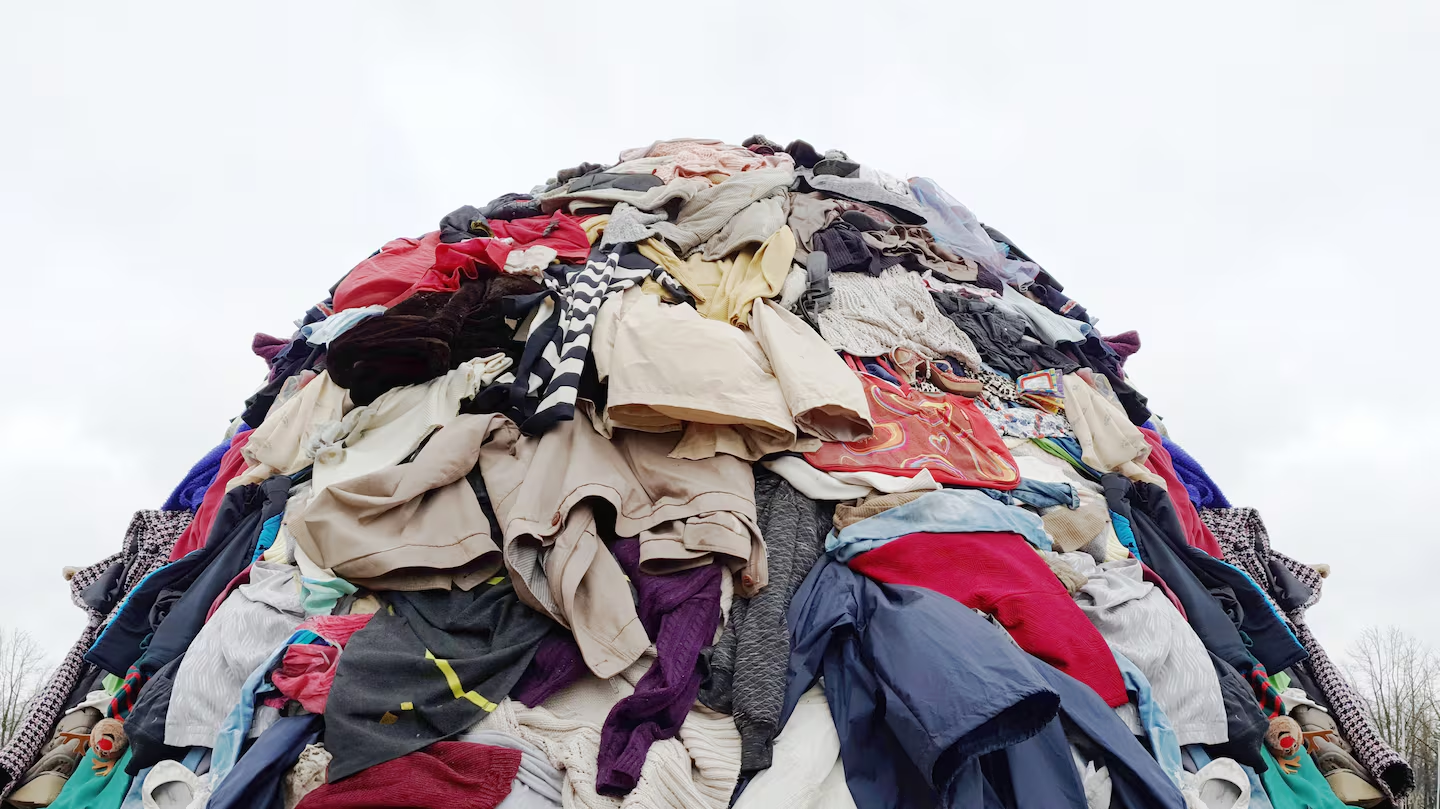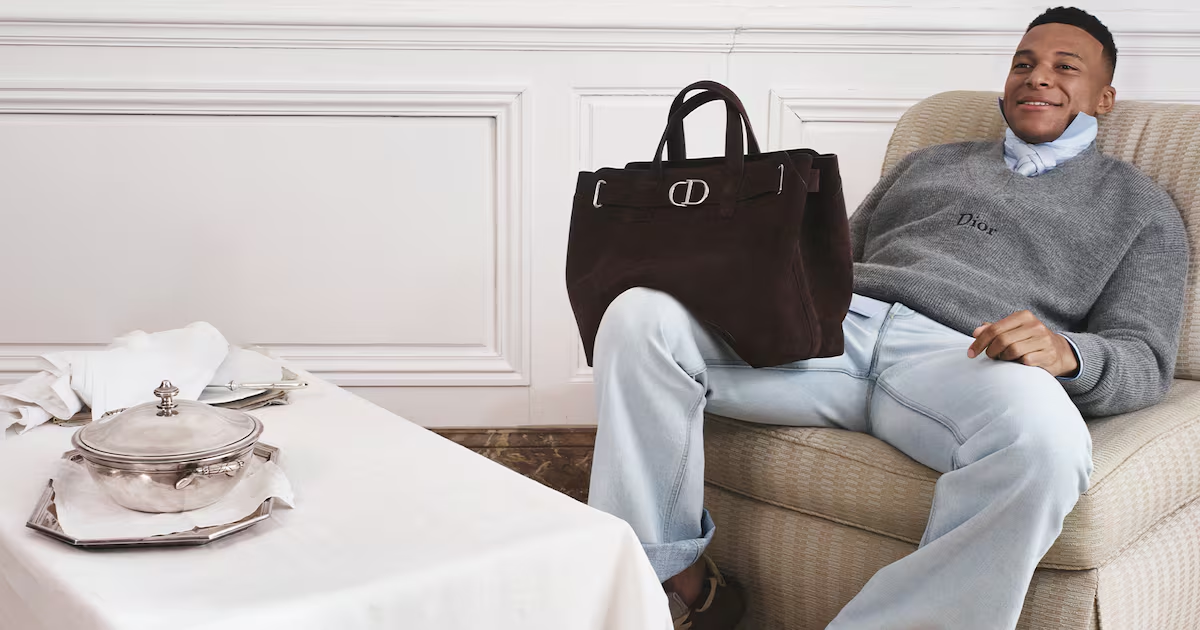
I still remember splurging on my first luxury handbag back in college—it was a classic piece from a big-name brand, and I saved for months to get it. That buttery leather felt like a badge of achievement, but fast forward to today, and I’m questioning if those sky-high prices match the thrill anymore. In 2026, the luxury fashion world is at a crossroads, with brands scrambling to redefine what “value” really means to us shoppers amid economic shifts and changing tastes. This isn’t just about logos; it’s a full rethink of why we buy into luxury at all.
The Shift in Luxury Consumer Behavior
Shoppers like you and me are getting pickier, aren’t we? With inflation biting and social media exposing every stitch, we’re demanding more than just status symbols. Reports show aspirational buyers—those spending $3,000 to $11,000 yearly on luxury—are cutting back by about 35 percent, delaying purchases or skipping them altogether. It’s a wake-up call for brands that assumed endless price hikes would fly forever.
Aspirational Shoppers Pulling Back
These folks, often middle-class dreamers, used to stretch for that designer coat to feel elevated. But now, with prices soaring without better quality, many feel betrayed—like paying premium for the same old thing. It’s emotional; that dream purchase suddenly seems out of reach, pushing us toward smarter alternatives.
High-Net-Worth Individuals Driving the Market
On the flip side, the ultra-wealthy are keeping luxury afloat, with their spending growing 8 percent annually. They crave experiences and exclusivity, not just products. For them, value lies in personalization, like custom tailoring or VIP events, which brands are doubling down on to secure loyalty.
Why Luxury Brands Are Raising Prices (and Why It’s Backfiring)
Price increases have fueled 80 percent of luxury growth lately, but shoppers aren’t buying it—literally. Brands jacked up costs to chase profits, yet without boosting creativity or quality, it’s led to backlash. Viral videos call out shoddy craftsmanship, making us laugh (or cry) at $2,000 bags falling apart faster than fast fashion.
The End of the Luxury Supercycle
Experts say the “supercycle” is over, thanks to weakened demand in China and Gen Z’s indifference. It’s funny how a global slowdown turns even the ritziest items into tough sells. Brands now face declining valuations, forcing a pivot from greed to genuine value.
Consumer Backlash on Social Media
TikToks and Instagram reels roast poor quality, with shoppers sharing “unboxings” gone wrong. It’s relatable—who hasn’t felt ripped off? This transparency erodes trust, as we question if that logo is worth the premium when dupes look just as good.
Rebuilding Trust Through Craftsmanship and Integrity
To win us back, brands are refocusing on what made luxury special: masterful craftsmanship and ethical practices. Think heritage techniques meets modern transparency, like supply chain audits to prove no shortcuts. It’s heartwarming to see companies invest in integrity, reminding us why we fell in love with luxury in the first place.
Emphasizing Core Competencies
From hand-stitched seams to sustainable materials, brands highlight skills passed down generations. It’s not fluff; it’s proof of value. I once visited a workshop in Italy—watching artisans at work made me appreciate the price tag more than any ad could.
Addressing Labor and Ethical Concerns
Recent scandals have spotlighted exploitation, so brands are stepping up with fair wages and eco-friendly sourcing. Shoppers feel good knowing their splurge supports real people, turning purchases into positive statements.
The Role of Gen Z and Millennials in Reshaping Luxury
Younger folks aren’t impressed by old-school bling; they want brands that align with their values, like sustainability and inclusivity. Over 80 percent under 35 demand creativity tied to heritage, pushing houses to innovate or lose out. It’s refreshing—luxury finally feels relevant again.
Demand for Creativity and Fresh Takes
These generations crave bold reboots, blending tradition with edge. Remember when a viral sneaker collab sold out in minutes? That’s the energy—making luxury fun and shareable, not stuffy.
Turning Excitement into Sales
It’s not just hype; brands must align marketing, stores, and merch to convert buzz. Pop-ups and AR try-ons make shopping immersive, building emotional bonds that justify the spend.
Creative Reboots: New Directors and Visions
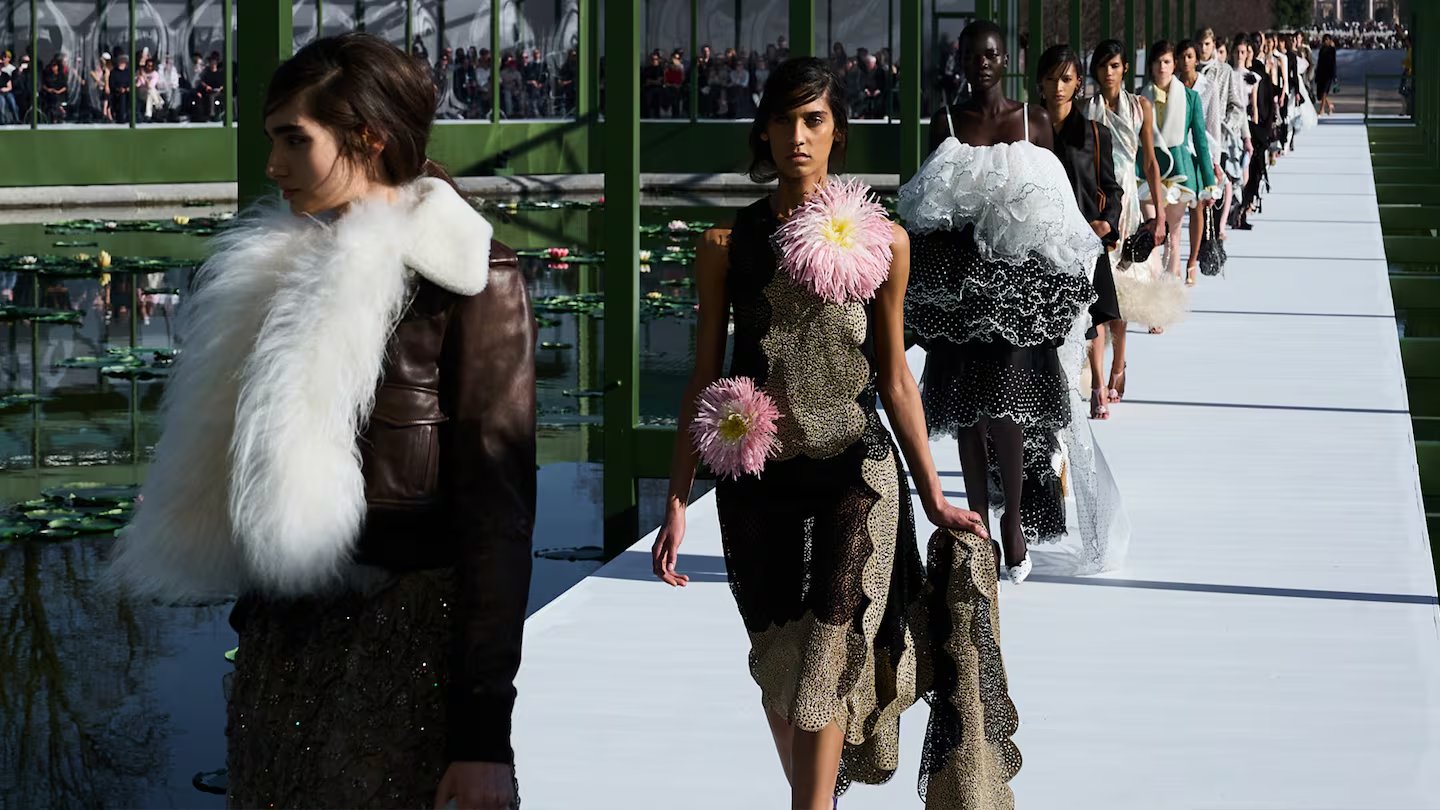
Nine of the top 15 luxury brands swapped creative directors recently, signaling a fresh start. From Chanel to Dior, these changes inject imagination, but without integrity, it’s just noise. It’s exciting, like watching a favorite show get a plot twist.
Spring/Summer 2026 Runway Highlights
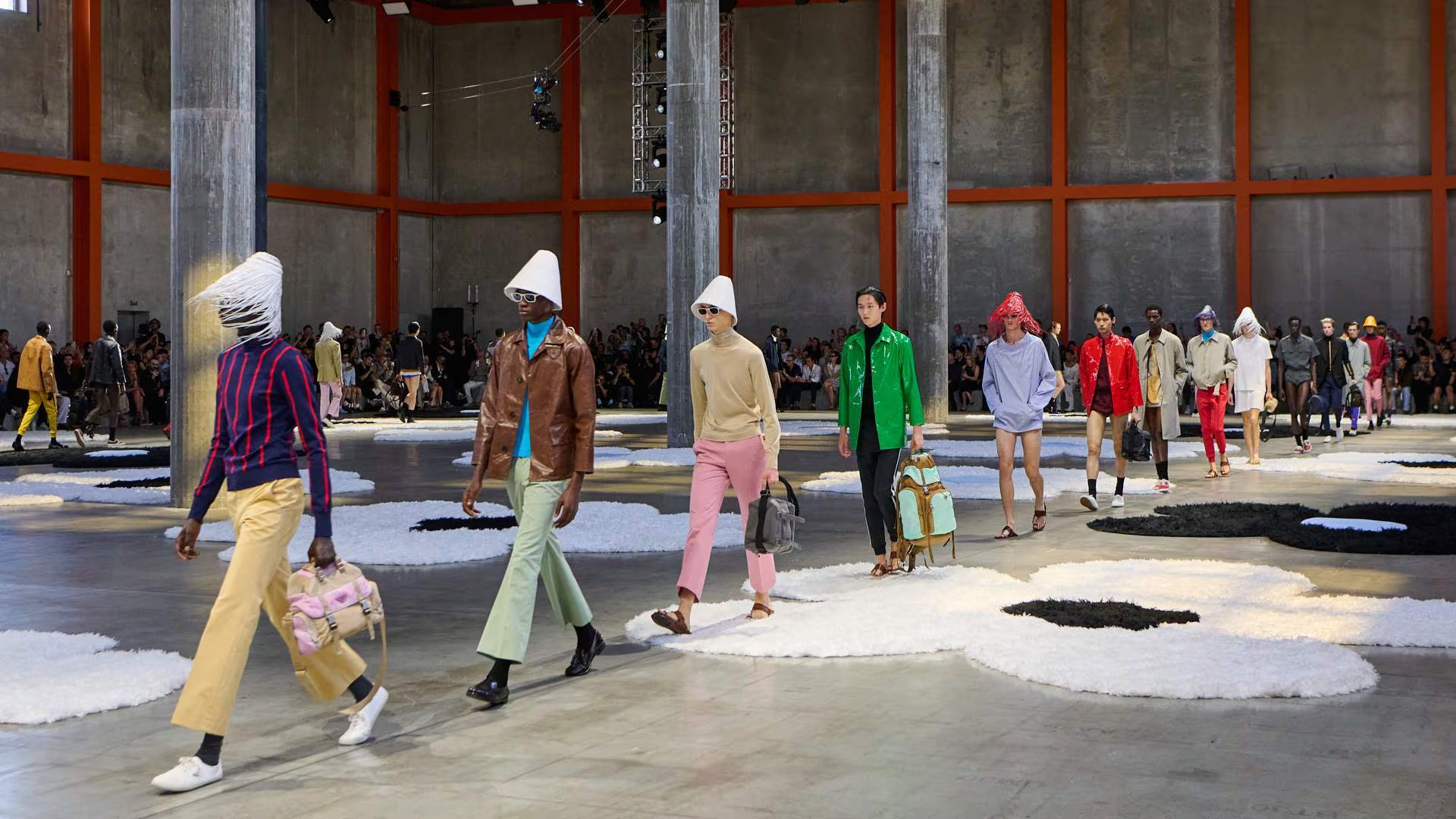
Debut collections wowed with expressive designs—think fluid silhouettes and bold colors. It’s a reset, celebrating joy in dressing amid uncertainty.
Balancing Imagination with Integrity
New visions must back creativity with quality. Shoppers spot fakes a mile away, so authenticity wins every time.
Emerging Trends in Luxury Fashion for 2026
As we head into 2026, trends lean toward tactile, expressive styles that scream value through innovation. From mocha shades to fringe, it’s about pieces that last and delight. Brands are listening, crafting wardrobes that feel personal and powerful.
Tactile Finishes and Textures
Shearling, brushed cashmere—textures add depth without overkill. It’s cozy yet chic, perfect for that “worth it” feel on a chilly day.
Bold Colors and Maximalism
Goodbye muted tones; hello vibrant combos. Maximalism returns with intent, letting us express unapologetically.
Gold and Metallic Accents
Gold surges as a symbol of stability, with ethical sourcing making it guilt-free. Chunky jewelry elevates basics effortlessly.
Sporty Silhouettes with Elegance
Windbreakers meet tailoring—practical luxury for real life. It’s empowering, blending comfort with high-end appeal.
Traditional vs. Modern Luxury Value: A Comparison
Luxury’s evolution is stark. Here’s a side-by-side look:
| Aspect | Traditional Luxury | Modern Luxury |
|---|---|---|
| Focus | Status symbols, logos | Experiences, personalization |
| Pricing | Cost-based, heritage-driven | Value-based, with ethical add-ons |
| Consumer Appeal | Aspirational stretch | Aligned values, sustainability |
| Growth Driver | Price hikes | Innovation, trust-building |
| Example Brands | Classic houses like Louis Vuitton | Rebooted ones like Bottega Veneta |
This shift shows how brands adapt to stay relevant.
Pros and Cons of Current Luxury Strategies
Every approach has upsides and pitfalls. Let’s break it down:
Pros:
- Creative Renewals: New directors spark excitement, boosting sales.
- Ethical Focus: Builds loyalty among conscious shoppers.
- Personalization: Makes high prices feel justified.
- Digital Integration: AR and apps enhance experiences.
Cons:
- Price Fatigue: Alienates aspirational buyers.
- Quality Gaps: Viral complaints damage reputations.
- Market Volatility: Dependence on ultra-wealthy risks bubbles.
- Over-Reliance on Trends: Short-term hype over timeless value.
Balancing these is key to long-term success.
Where to Get Authentic Luxury Items
Hunting for the real deal? Start with official brand sites like Gucci or Prada for verified pieces. For pre-owned, trusted platforms like The RealReal offer authenticated gems at better prices. Boutiques in fashion hubs like Milan or New York provide that in-person magic—check Farfetch for global access.
Best Tools for Sustainable Luxury Shopping
Want eco-friendly picks? Apps like Good On You rate brands on ethics—try it for quick insights. For custom fits, tools from Mytheresa let you visualize sustainably sourced items. Investment trackers like Vestiaire Collective help resale values, turning buys into assets.
People Also Ask
Based on real Google queries, here’s what folks are wondering:
- What draws you to buying luxury brand items? It’s often the emotional boost—status, quality, or that “treat yourself” vibe. For me, it’s the story behind the craft.
- Is luxury still worth it? Absolutely, if brands justify prices with superior value. Educating on craftsmanship helps, as backlash grows over hikes.
- Why have luxury prices gone up so much? Mostly to drive profits, but it’s backfiring as shoppers seek alternatives.
- What is the truth behind luxury market growth? 80 percent from price increases, not volume—eye-opening, right?
- How are consumers shifting toward value-driven fashion? Toward timeless, ethical pieces over logos, cooling demand for flashy items.
FAQ
What is luxury fashion rethinking in 2026?
Brands are reevaluating value beyond prices, focusing on trust, creativity, and ethics to reconnect with shoppers.
How can shoppers find better value in luxury?
Look for timeless pieces, resale markets, or brands emphasizing sustainability—sites like BoF offer insights.
Why are aspirational shoppers cutting back?
Repeated hikes without quality upgrades make items feel overpriced, pushing them to alternatives.
What role does Gen Z play in luxury’s rethink?
They demand alignment with values like inclusivity, forcing brands to innovate or fade.
How to spot authentic luxury deals?
Use verified platforms and check for certifications—avoid deals too good to be true.
In wrapping up, luxury’s rethink feels personal—it’s about recapturing that magic I felt with my first bag, but smarter. Brands succeeding in 2026 will be those proving their worth through heart and craft, not just hype. If you’re eyeing a splurge, ask: Does this add real value to my life? That’s the new luxury litmus test. (Word count: 2,756)